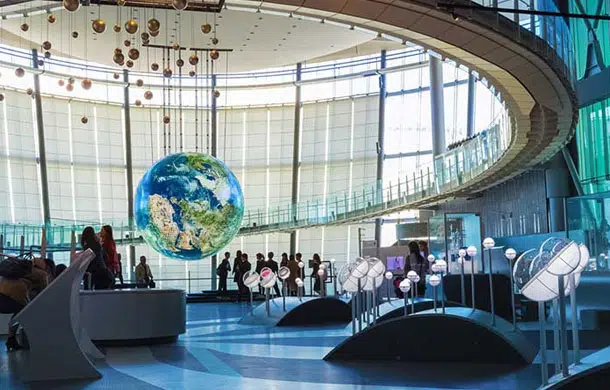
Museums and science centers serve as vital cultural institutions that engage millions of visitors each year. They provide a space for exploration, discovery, and learning, often focusing on the sciences, the arts, and history.
In a world where digital information flows at unprecedented speeds, the issue of climate change continues to be a focal point of public discourse. However, amidst the growing body of scientific evidence and consensus on climate issues, misinformation spreads rapidly, posing a significant challenge.
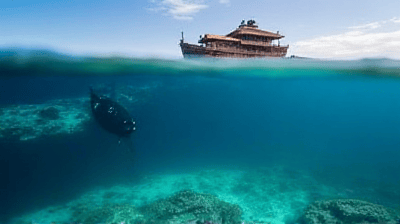
Marine ecosystems are some of the most diverse and vital habitats on our planet, providing essential services that support life both in and out of the water. However, these ecosystems face numerous threats, including overfishing, pollution, climate change, and habitat destruction.
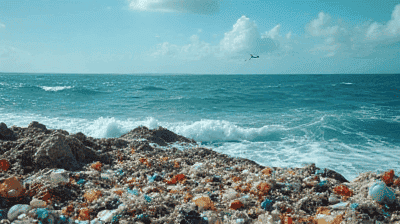
Plastic pollution has emerged as one of the most pressing environmental challenges of our time, severely impacting marine ecosystems, wildlife, and human health. With millions of tons of plastic debris entering the oceans each year, tracking and mitigating this pollution is critical.
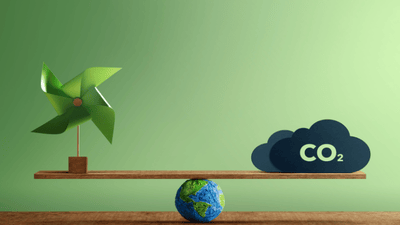
The travel industry has undergone tremendous changes in recent years, driven by a growing awareness of environmental issues and the urgent need to address climate change. As travelers become more conscious of their carbon footprints, the concept of "Carbon New Travel" has emerged.